Find the Code, Get the Drop: How Brands Turned Marketing Into a Game You Actually Want to Play
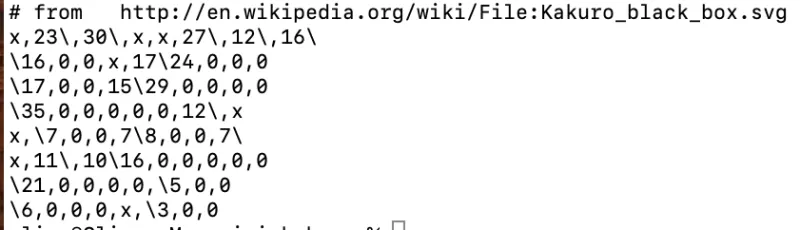
Photo: Gannett, CC0, via Wikimedia Commons
Somewhere right now, someone is squinting at a sneaker brand's Instagram story, convinced there's a hidden message in the color pattern on the laces. They're probably right. And if they crack it before anyone else does, they might score an exclusive pair that never hits the general release. Welcome to the new marketing playbook — one where the audience isn't just watching, they're actively hunting.
The old model was simple: push an ad, hope it lands, move on. But for a generation of consumers who've grown up skipping pre-rolls and installing ad blockers, that approach is basically dead on arrival. What's replacing it is something way more interesting — and honestly, way more fun. Brands across gaming, music, fashion, and beyond are deliberately engineering their campaigns as puzzles, hiding rewards for whoever pays close enough attention to decode them.
The Signal Is the Strategy
This isn't accidental. Companies are spending real money to embed Easter eggs, coded coordinates, and cryptic references into everything from album covers to game trailers to product packaging. The goal isn't just buzz — it's a specific kind of loyalty that traditional advertising can't manufacture. When you solve a puzzle a brand built for you, you feel like an insider. That feeling is worth more than any billboard.
CDPROJEKT RED did this masterfully in the lead-up to Cyberpunk 2077, seeding the internet with cryptic transmissions and coded ARG-style clues years before the game launched. Players who tracked down hidden forum threads and decoded fake corporate memos weren't just hyped — they were invested. They'd already done work for the story before the story even dropped. That kind of pre-launch engagement is almost impossible to buy with a standard media spend.
But it's not just gaming studios pulling this off. Sneaker culture has fully embraced the treasure hunt model. Nike's SNKRS app has built entire drops around location-based clues and hidden release codes. ASICS and New Balance have both experimented with puzzle-gated releases, where solving a riddle is the only way to unlock a purchase link. The shoes become trophies — not just because they're rare, but because earning the right to buy them required effort.
Music Labels Are Playing Too
The music industry, never exactly known for subtlety, has gotten surprisingly good at this game. Beyoncé's surprise album drops have trained an entire fanbase to stay perpetually alert for signals. Taylor Swift has essentially turned album rollouts into multi-month ARGs, with hidden numbers in Instagram posts, letters embedded in lyric videos, and cryptic color schemes that her fanbase — affectionately obsessive — dissects in real time across Reddit and Discord servers.
Swift's approach is worth examining closely because it's not just a gimmick. The codes and Easter eggs she hides aren't random noise — they're consistent, they pay off, and the community that forms around decoding them has become one of the most active and commercially powerful fandoms in music. Labels watching that model are taking notes.
Smaller artists are running the same play at a grassroots level. Independent musicians are hiding download codes inside vinyl record art, posting coordinates on Twitter that lead to secret listening sessions, and dropping limited merch links in the comment sections of videos most casual fans never watch. The barrier to entry is attention, not money — and that changes who gets rewarded.
Why Attention Is the New Currency
Here's the thing that makes this whole economy tick: scarcity. When a brand releases something to everyone at the same time, it's just a product. When a brand releases something only to the people who found the hidden frequency buried in a podcast ad or a QR code printed on a coffee cup, it becomes a signal. And signals carry meaning.
Gaming studios have understood this for years. Hidden rooms, secret endings, unlisted achievements — these aren't just design flourishes. They're a way of communicating directly with the segment of your audience that's truly paying attention. When Bungie hides a cryptic cipher in Destiny 2 that takes the community weeks to crack, the reward isn't just an exotic weapon. It's proof of belonging. You're not just a player. You're part of the signal chain.
Brands outside gaming are catching on to that dynamic. Taco Bell once hid a free taco code inside a Morse code sequence embedded in a Snapchat story. Burger King ran a campaign where players had to use the King app in front of competitor restaurants to unlock deals. Mountain Dew has run multiple gaming-adjacent campaigns where codes hidden in limited-edition cans unlocked in-game items across major titles. These aren't accidents — they're engineered moments designed to separate the engaged from the passive.
The Community Is Part of the Product
What these brands have figured out is that the community that forms around decoding their campaigns is itself a marketing asset. Discord servers dedicated to cracking brand puzzles generate organic content, social media posts, and word-of-mouth that no paid campaign could replicate. The people hunting for the next hidden drop are also the people most likely to evangelize the brand to their networks.
It creates a self-reinforcing loop. The more elaborate the puzzle, the more dedicated the community that forms around it. The more dedicated the community, the more valuable the exclusive reward becomes. The more valuable the reward, the more people try to get in on the next puzzle. Brands that do this well aren't just running campaigns — they're building ecosystems.
That said, it's not without friction. When puzzle drops go wrong — when clues are too obscure, rewards feel underwhelming, or the system gets gamed by bots — the backlash from a deeply engaged community can be brutal. These audiences are paying close attention, which means they notice every inconsistency, every broken promise, every lazy execution. The brands winning at this game are the ones treating their audience like genuine participants, not just marks.
The Takeaway for Anyone Still Skimming
If you're still approaching brand content like a passive viewer, you might be leaving something on the table. The most interesting rewards right now — the rare drops, the early access, the community cred — are sitting behind a layer of attention most people aren't willing to give. That's exactly the point.
The breadcrumb economy isn't complicated: brands hide signals, attentive audiences find them, engaged communities grow around them. But the entry fee is focus. In a media landscape engineered to scatter your attention across a hundred simultaneous feeds, the brands building genuine loyalty are the ones asking you to slow down, look closer, and actually play.
The signal is out there. You just have to be the kind of person who goes looking for it.