Static Is the New Trailer: Inside the Art of the Vanishing Episode
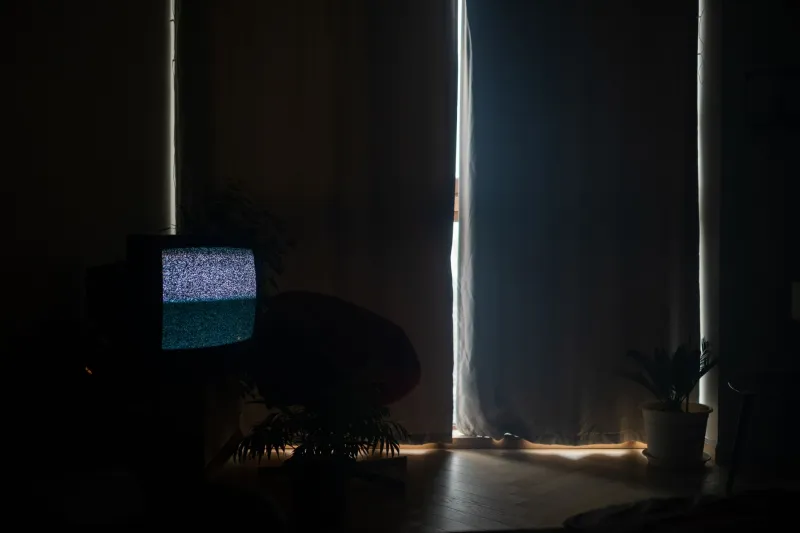
Picture this: you're three episodes into a series your group chat won't stop talking about. You open the app Tuesday night, and the episode is just... gone. Not delayed. Not region-locked. Deleted. The creator's socials are wiped. The official channel has a single pinned post that reads, in its entirety: you know where to find it.
Congratulations — you've just hit a broadcast blackout, and honestly, you're late to the party.
The Vanishing Act Goes Mainstream
For most of television history, absence was accidental. Episodes got lost to rights disputes, regional licensing messes, or a network quietly burying a show it had given up on. Nobody chose to disappear. Disappearing was a career failure.
That logic has fully inverted. Across YouTube serials, indie animated series, and even a few experimental streaming drops, creators are engineering their own dead air. They'll upload a season, let it breathe for a few weeks, then pull it entirely — sometimes right as momentum peaks. The stated reasons vary: "reworking the cut," "platform issues," a cryptic emoji. The real reason is simpler: a missing thing gets talked about. A present thing gets scrolled past.
It's the same impulse behind the ARG-style marketing we've covered before — treat your audience like detectives and they'll do your publicity for you. Except this version strips out the puzzle entirely. There's no code to crack, no trail to follow. There's just an empty shelf and a fandom frantically screenshotting everything before it evaporates.
The Archive Economy
Here's where it gets interesting — and a little messy. When official versions vanish, unofficial ones bloom. Fan-run mirrors, reupload accounts, Discord folders with names like "the vault" and "do not share outside this server." The fans left holding the static become archivists whether they asked for the job or not.
There's a genuine thrill to it, sure. Scoring a copy of an episode that "doesn't exist anymore" feels like contraband, and contraband carries social currency. But there's a lopsided bargain buried in there. The creator gets the myth-making — the scarcity, the speculation, the Reddit threads — while the audience absorbs all the risk. Those reuploads live on platforms with shaky uptime and zero obligation to anyone. When a mirror dies, the work dies with it, and the person who cared enough to save it gets nothing but a broken link.
Honest Marketing or Fancy Gaslighting?
Let's steelman the strategy for a second. Compared to the alternative — the infinite content firehose, the algorithm-chasing upload schedule, the trailer that spoils the entire third act — engineered absence is almost refreshingly transparent. Nobody's pretending the show is something it isn't. The pitch is literally: this will be gone, and that's the point. At least it's an honest scarcity, declared up front, rather than the fake "limited time" countdown that quietly refreshes forever.
And there's no denying it works on human psychology. We value what we can't easily have. A show that's there is content; a show that's missing is an event. Ask anyone who spent 2021 hunting for a discontinued fast-food item or waiting on a restocked gaming console — absence builds appetite faster than abundance ever will.
But run the same move twice and the sheen wears off fast. Scarcity only reads as mystery the first time. By the third blackout, fans recognize the pattern, and the romance curdles into annoyance. You can't weaponize FOMO forever before your audience realizes they're the product — the hype engine — rather than the customer.
The Fans Holding the Static
The most underrated casualty of the blackout trend is the casual viewer. The superfan with three backup drives is fine. But the person who heard about a show a month late, the person who doesn't run in Discord circles, the person who just wanted to watch something on a Friday night — they're locked out through no fault of their own. Engineered absence quietly sorts audiences into insiders and everyone else, and "everyone else" is a lot of people.
There's also a long-term memory problem. Entertainment history is already patchy — entire decades of early television survived on a handful of tapes. When creators voluntarily contribute to that erosion for a marketing bump, they're betting their back catalog will still matter later. Sometimes it will. Sometimes the archive that saved the show will be some teenager's hard drive, and that teenager will move on to other things.
Tune In While It's There
So where does that leave us? Somewhere in the middle, honestly. A one-time disappearance from a creator with a real artistic vision — someone genuinely commenting on the disposable nature of digital media — can be genuinely compelling. A calculated content strategy of vanishing on a quarterly schedule is just a limited-edition sneaker drop with worse lighting.
Our advice at the Signal desk: if something you love starts flickering, save it. Screenshot the context, back up the links, keep the group chat archive alive. Not because the creators owe you permanence — but because in an era where absence is a feature, the audience is the only continuity the work has.
The static isn't going anywhere. The question is whether you're listening before the signal drops.