When America Sleeps, the Real Premiere Begins: Inside the 3 A.M. Watch Party Economy
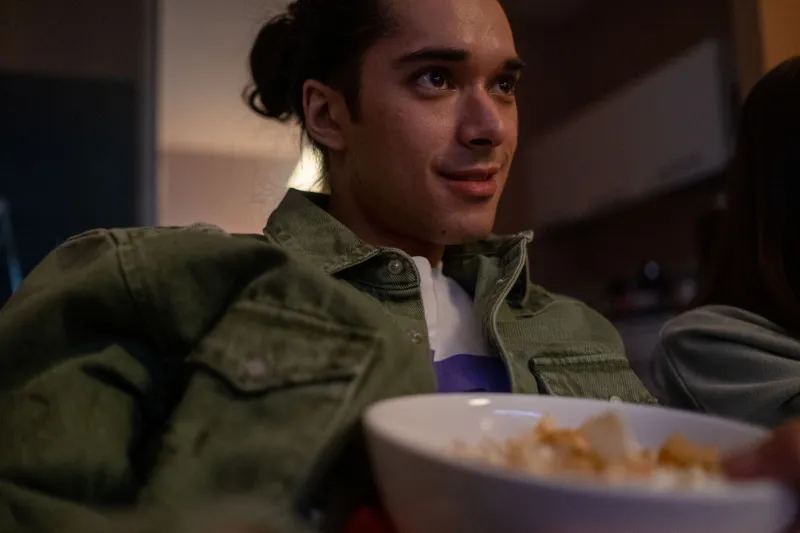
There's a moment every streaming executive should experience at least once: logging onto Discord at 2:47 a.m. and finding a watch party for a show that premiered three weeks ago, with forty people in voice chat, timestamps flying, and someone typing "ok this is my third rewatch don't judge me."
Nobody scheduled that. Nobody marketed it. And yet it's happening in thousands of servers across the country, every single night, on a clock the entertainment industry has largely pretended doesn't exist.
The Second Prime Time
Traditional television had a simple deal: the show airs at 8 p.m. Eastern, the country watches together, and the water cooler conversation happens the next morning. Streaming shattered the schedule, but it didn't replace it with nothing — it replaced it with many schedules, most of them invisible.
The loudest of these is what you might call the night shift premiere window: roughly 1 a.m. to 5 a.m. local time, when a very specific coalition of viewers comes online. Nurses coming off twelve-hour shifts. Line cooks. Warehouse workers. Call center folks in Phoenix taking East Coast hours. College students who've completely surrendered their circadian rhythms. And, increasingly, international fans on the West Coast binging a drop that went live at midnight Pacific while it's already tomorrow in Seoul.
This crowd doesn't watch the same way evening viewers do. They binge faster. They post more. And because they're watching while half the country sleeps, their discussion spaces — group chats, subreddits, Discord channels — feel less like public squares and more like speakeasies.
"It's 3 A.M. and I Just Finished It" Culture
Scroll through any fandom space and you'll find the telltale artifact: the overnight confession post. Someone finishes a season finale at 3:15 a.m., is far too emotionally compromised to sleep, and pours their reaction into a post that reads like a journal entry written during a fever dream.
These posts hit differently. They're raw, unpolished, and completely free of the takes-archaeology that daytime discourse gets buried under. A 3 a.m. post is often the first reaction to a finale anyone's written — hours before the critics' essays and the video essays and the quote-tweet pile-ons.
There's a genuine intimacy to it, too. Overnight watch parties run on a different social contract. Fewer lurkers, fewer bad-faith arguments, more people genuinely processing the story together in real time. If evening fandom is a stadium show, the 3 a.m. fandom is a basement show with the good acoustics.
Midnight Drops and the Unofficial Schedule
Here's where it gets interesting for the people actually running these platforms. A surprising amount of new content doesn't arrive when the official schedule says it does. Regional rollouts hit different time zones at different hours. Titles occasionally surface early due to technical hiccups. And some releases effectively premiere at midnight Pacific — which means the "Friday drop" is really a Thursday-night event for anyone west of Denver or awake east of it.
The result is an organic, unscheduled second premiere window that the platforms never planned and can't fully control. Overnight viewers effectively become the first wave of word-of-mouth. By the time East Coast morning viewers wake up, the 3 a.m. crowd has already decided what the discourse is going to be about.
The Numbers Are Getting Hard to Ignore
Nielsen's streaming ratings and the platforms' own engagement reports have started to reveal what overnight communities always knew: viewing doesn't stop when the late-night monologue ends. A meaningful chunk of consumption happens between midnight and 5 a.m. — and it skews toward completion. These aren't people sampling episode one and bailing. Night-shift viewers finish things.
That's why some platforms are quietly experimenting with scheduling that acknowledges the night crowd: earlier global rollout times, overnight watch-along features, and social tools designed for asynchronous co-viewing. The logic is simple. If a self-organized audience is going to build its own prime time anyway, you might as well give them better lighting.
Why the Night Crowd Matters
There's a temptation to dismiss the overnight audience as a rounding error. That would be a mistake, for a few reasons.
First, they're the fandom infrastructure. The people maintaining wikis at 4 a.m., clipping moments before sunrise, translating, archiving, and organizing — that's overnight labor, unpaid and relentless.
Second, they're a leading indicator. What the 3 a.m. crowd loves at 4 a.m. is what the mainstream discovers by Sunday. If you want to know which show is about to break out, don't look at the weekend numbers. Look at who's still awake.
And third, they represent something the industry keeps claiming to want: viewers who choose the content rather than the time slot. The night shift fandom isn't loyal to a network or a schedule. It's loyal to the signal — the thing itself, decoded and passed along while everyone else sleeps.
The entertainment business spent a century programming the nation's evenings. The next decade's most interesting premieres might happen at hours nobody scheduled — broadcast to a nation of night owls, one sleepy group chat at a time.