Fashionably Late to the Fandom: The Quiet Flex of Watching Everything a Year Behind

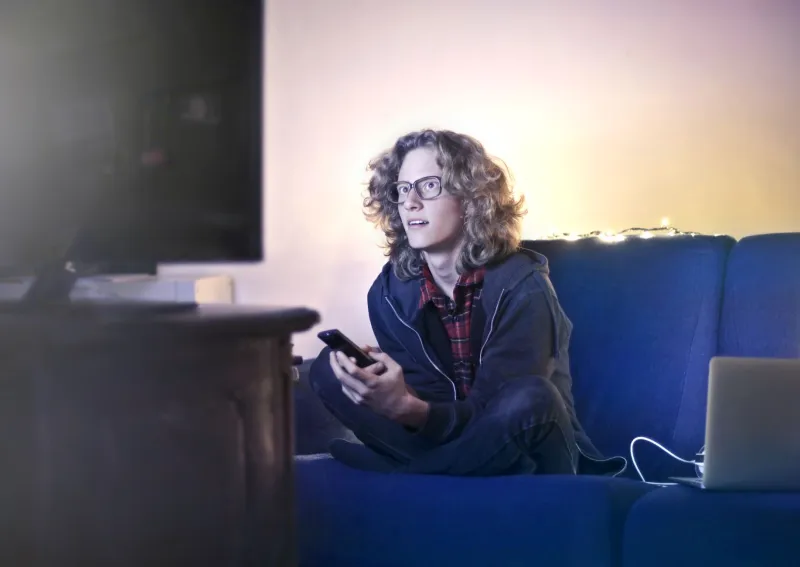
There's a particular kind of power move happening on your group chat right now, and you might not have noticed it. Someone mentions the show everyone was screaming about fourteen months ago, and a friend replies, casually: "Oh, I'm just getting to that one now. It's great." No apology. No sheepish explanation. Just the calm of a person who has never once refreshed a release calendar.
Welcome to lag prestige — the growing tribe of American viewers and players who've decided that arriving late isn't falling behind. It's a flex.
The Death of Launch Night Anxiety
For about a decade, the entertainment economy ran on a single emotion: panic. Premiere weekends mattered. Release-day gaming sessions were social obligations. Miss the drop and you risked a week of dodging spoilers like landmines while your feed screamed plot twists in all caps.
But something shifted. Streaming fatigue set in. The hype cycle got exhausting. And a quiet counter-movement formed around a simple realization: the show will still be there in six months. The game will still be there after the patches. In fact, it'll probably be better.
What started as burnout behavior has hardened into identity. Being late stopped meaning being out of the loop and started meaning being above the loop.
Spoiler-Free Is a Lifestyle, Not a Setting
The most fascinating branch of this culture is the delayed-viewer community — fan spaces organized not around a release, but around a pace. These are the watch-along servers that move through a completed series one episode a week, months after the finale aired, so newcomers can experience twists live. The subreddit that quarantines itself from current-season discourse. The Discord with a strict "no future talk" channel policy.
It's a strange inversion: fandoms built to preserve surprise in an internet engineered to destroy it. Members treat spoilers like secondhand smoke — something you politely step outside to indulge in, away from the people still breathing the fresh air of episode three.
And here's the kicker: these delayed communities often report better experiences than the launch-night crowd. No discourse poisoning. No bad-faith hot takes from people who skimmed the season. Just the story, arriving at human speed.
The Back Catalog Is the New Prestige TV
There's also a curation angle. The late adopter isn't just slow — they're selective. They've watched the discourse from a distance, waited for the verdict to settle, and cherry-picked only what survived. Why gamble on a hyped debut when you can queue up the show that stayed in the conversation for two years?
The same logic runs through gaming. The patient player buys the complete edition, eighteen months post-launch, with the day-one bugs patched and the DLC bundled. They paid less and got more. Meanwhile, the launch-day crowd paid premium to beta test. Who's really winning?
This is where lag prestige starts sounding less like laziness and more like portfolio management. The delayed viewer runs a back catalog the way a sommelier runs a cellar — everything aged to peak, nothing consumed before its time.
Patience as Personality
Of course, some of this is just posturing. There's a smugness strain in "no rush" culture, the same energy as the person who tells you they don't own a TV. The line between I wait because it's better and I wait because I want you to know I wait can get blurry.
But even the performative version points at something real: Americans are tired of being scheduled. The always-on release calendar — the midnight drops, the weekend-one discourse deadlines, the fear that a show will be "canceled before you catch up" — turned watching TV into a job with attendance requirements. Opting out of that clock feels, to a lot of people, like getting a piece of their evenings back.
The Signal in the Delay
There's a deeper decode here, and it's the one we keep circling back to at TDTC Signal: the most valuable resource in modern entertainment isn't access. It's timing. Everyone can get the content. Almost nobody can get it at the right moment, in the right state of mind, with the right company.
The late arrival has quietly solved that problem. They watch when the noise has died. They play when the game is finished. They join the fandom when it has matured into something worth joining.
So the next time someone apologizes for "still" not having seen the show, watch what happens when they stop apologizing. Somewhere out there, an entire audience is tuning in late — and tuning in better for it.
The drop will wait. The question is whether you've learned to.